Bugs in Bed: Bed Bugs, Carpet Beetles, Fleas and Other Suspects
Not every bug in bed is a bed bug. Here is how to sort the usual suspects, and why bites are a poor guide.
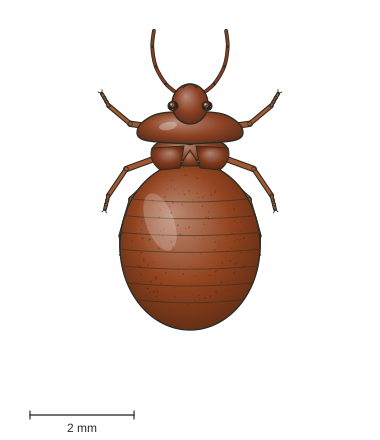
A small bug in bed may be a bed bug, but it is often something else: carpet beetle larvae or adults, fleas, bat or swallow bugs, booklice, or a tick carried in by a pet. The bug itself is your best evidence. Bites and rashes are not, because many different causes produce marks that look the same. Use this page to narrow the list, and get a specimen identified before you spend money on treatment.
Narrow it down
- Flat, oval, reddish brown, wingless, about apple-seed size, in mattress seams or the bed frame: bed bug, or a bed bug relative such as a bat bug.
- Small, round beetle with mottled or black shell, near a window or on the bedding: carpet beetle adult.
- Slow, fuzzy, brown, worm-like larva, or bristly shed skins: carpet beetle larva.
- Dark, narrow, hard, and it jumps: flea, especially if pets share the bed.
- Tiny, pale and soft, on damp bedding, mattresses or nearby papers: booklouse.
- Eight legs, round, clinging or attached to skin: tick.
- Nothing visible, but allergy symptoms at night: possibly dust mites, which are too small to see.
Quick comparison table
| Insect | Size | Look for | Where | Concern |
|---|---|---|---|---|
| Bed bug | 1–7 mm | Flat, oval, wingless, reddish brown | Mattress seams, frame, headboard | Bites; hard to eliminate |
| Carpet beetle larva | 3–8 mm | Hairy, banded or carrot-shaped | Under bed, rug edges, closets | Damages wool; hairs can irritate skin |
| Carpet beetle adult | 2.5–5 mm | Round, mottled or shiny black | Windowsills, bedding near windows | Sign of larvae nearby |
| Flea | about 3 mm | Narrow side to side, jumps | Pet bedding, carpet, bed with pets | Bites; ankles and legs |
| Bat or swallow bug | bed bug size | Like a bed bug; longer hairs | Near bat roosts, swallow nests | Bites; needs animal source removed |
| Booklouse | under 1.5 mm | Soft, pale, wingless | Damp mattresses, papers | Nuisance; signals humidity |
| Dust mite (not an insect) | under 0.25 mm | Not visible to the eye | Mattresses, pillows, upholstery | Allergies and asthma |
| Tick (not an insect) | freckle-sized and up | Eight legs, round body | On pets and bedding | Can transmit disease |
Why bites alone cannot identify the culprit
Bites are the reason most people start looking, but they make a poor identification tool. Here is why.
- Bed bug bites resemble other bites. CDC describes them as slightly raised, red, itchy marks similar to mosquito or flea bites, sometimes in a line and sometimes random.
- Reactions vary widely. Some people do not react at all, and in others marks can take up to two weeks to appear. Two people sharing a bed can have very different results.
- Some “bites” are not bites. A 2021 report in CDC’s Emerging Infectious Diseases journal described itchy, bite-like bumps in several families that turned out to be allergic reactions to hairs from carpet beetle larvae. No bed bugs or fleas were found, and the authors noted that this kind of rash is often mistaken for bed bug or flea bites.
- Fleas bite too. Flea bites tend to cluster on the ankles and lower legs, but that pattern is not reliable enough to separate them from other causes.
Skin reactions can also come from conditions that have nothing to do with insects. If a rash spreads, blisters, or does not settle, see a doctor. For the bugs, rely on physical evidence: live or dead insects, shed skins, and dark spots of droppings. The signs of bed bugs page shows what to look for.
The likely candidates
Bed bugs
Adult bed bugs are flat, oval, wingless and reddish brown, about 5 to 7 mm (1/4 inch) long when grown, roughly the size of an apple seed. After feeding they swell and turn darker red. Nymphs are smaller and paler. Eggs are white, about the size of a poppy seed, and tucked into cracks and seams. Look along mattress seams and piping, box spring corners, the bed frame and headboard, and nearby furniture. Other signs are shed skins, small dark fecal spots, and a sweet, musty odor in heavy infestations.
What it means: a serious nuisance pest that spreads by hitchhiking in luggage, furniture and clothing. CDC notes bed bugs are not known to spread disease, but they cause itching, sleep loss and stress. Because bed bugs are hard to eliminate and look like their relatives, confirm the identification first. Then see bed bug treatment and the bed bug guide.
Carpet beetle larvae and adults

Carpet beetles are a frequent source of confusion, because their larvae, shed skins and the skin irritation their hairs cause can all be mistaken for bed bug evidence. Larvae are slow, brownish and hairy, mostly 3 to 8 mm (1/8 to 5/16 inch). Varied carpet beetle larvae are banded light and dark with tufts at the rear; black carpet beetle larvae are shiny and carrot-shaped with a long tail tuft. Adults are small round beetles, about 2.5 to 5 mm, mottled or shiny black, and often seen near windows.
What it means: the larvae do not bite, but they feed on wool, feathers, fur and pet hair, including down pillows and wool blankets. Their hairs can irritate some people’s skin. Vacuum around and under the bed, launder bedding, and check closets, rug edges and wool or down items. See carpet beetle vs bed bug and the carpet beetle guide.
Fleas
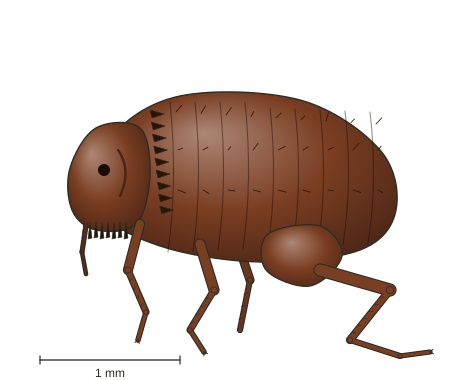
Adult fleas are about 3 mm (1/8 inch) long, dark reddish brown, wingless and flattened from side to side, with powerful hind legs. If the bug jumps, fleas are a strong suspect, especially when a dog or cat sleeps on the bed. Flea eggs and larvae collect where pets rest.
What it means: a biting pest. Treat pets with products recommended by a veterinarian, wash pet and human bedding, and vacuum often. See flea vs bed bug and the flea guide.
Bat bugs and swallow bugs
These close relatives of bed bugs look almost identical: flat, oval, wingless and reddish to gray-brown. Telling them apart takes a hand lens or microscope. Bat bugs have longer hairs fringing the shield behind the head than bed bugs do. Bat bugs live with roosting bats; swallow bugs live in the mud nests of cliff swallows. When the animals leave or are excluded, the bugs may wander into living spaces and bite people, but they cannot keep breeding on human blood alone.
What it means: if you find “bed bugs” in an upper-floor bedroom near an attic, chimney or eaves where bats or swallows have been, ask for an expert identification. The fix includes removing the animal source, which should be done in a humane, legal way.
Booklice
Booklice are tiny (usually under 1.5 mm), soft and pale, and they sometimes appear on mattresses, bedding or nearby papers in humid rooms. They feed on mold, do not bite, and are a sign that the air is too damp. Lowering humidity below about 50 percent and washing bedding usually solves it.
Dust mites (microscopic)
House dust mites are not insects, and at less than 1/100 inch (about 0.25 mm) they are too small to see without magnification. They live in mattresses, pillows, upholstery and carpet and feed on shed skin. If you can see a bug moving on your bed, it is not a dust mite. Their importance is allergic: their waste and shed skins can trigger sneezing, itchy eyes and asthma.
Ticks brought in by pets
Ticks are not insects. Nymphs and adults have eight legs, and young ticks are so small they can be mistaken for a freckle or a speck of dirt. They can ride indoors on pets or clothing, then drop off in bedding. The brown dog tick is one of the few ticks that can build up an indoor infestation, hiding in cracks near floor level. Remove an attached tick with fine tweezers, grasping close to the skin and pulling steadily, and save it in rubbing alcohol in case it needs to be identified. Talk to a doctor if you develop a rash or fever after a tick bite.
Still not sure?
Try the insect identification tool to work through the clues.
The most useful thing you can do is collect a specimen. Press the bug onto clear packing tape and stick it to an index card, or seal it in a small bag or vial with rubbing alcohol. Note where and when you found it, and take it to your county or state extension office. A confirmed identification protects you from paying for bed bug treatment you do not need, or from missing an infestation you do have.
References
- About Bed Bugs. Centers for Disease Control and Prevention.
- Bed Bugs. University of Nebraska-Lincoln Entomology.
- Bed Bug Look-alikes. Colorado State University.
- Carpet Beetles (Pest Notes). UC Statewide IPM Program.
- Anthrenus sp. and an Uncommon Cluster of Dermatitis. Emerging Infectious Diseases (CDC).
- Fleas (HYG-2081). Ohio State University Extension.
- House Dust Mites. Clemson Cooperative Extension.
- Ticks Around Your Home. Clemson Cooperative Extension.
See also
This page was last updated on October 7, 2026. We research our guides from university extension services, government agencies, museums and peer-reviewed literature. Read the editorial policy or report an error.