Identify an Insect
Tell the finder where you saw the insect, its size, color, shape and behavior. It suggests likely matches from the insects most often found in and around US homes.
Insect finder
The interactive finder needs JavaScript. The guides below cover the same insects, sorted by where they turn up and what they look like.
| Picture | Insect | What to look for | Match |
|---|
These are suggestions, not a diagnosis. Many small insects look alike, and size and color vary with age. Check the guide for each match, and if the insect could damage your home or health, confirm it with a sample sent to your county extension office or a licensed professional.
Identify by where you found it
-
Bugs in the kitchen
Identify kitchen bugs by where you see them: pantry beetles and moths in food, ants and roaches on counters, small flies at fruit and drains.
-
Bugs in the bathroom
Bathroom bugs are usually drain flies, silverfish, springtails, cockroaches or house centipedes. Identify yours and fix the moisture behind it.
-
Bugs in bed
Found a bug in your bed? It may be a bed bug, carpet beetle, flea, bat bug, booklouse or tick. How to tell them apart, and why bites alone can't.
-
Small flying bugs indoors
Small flying bugs indoors are usually fruit flies, fungus gnats, drain flies or pantry moths. Where they gather is the best clue to what they are.
Identify by how it looks
-
Tiny black bugs
Tiny black bugs indoors are often carpet beetles, small ants, fungus gnats or springtails. Use location, size and behavior to narrow it down.
-
Tiny brown bugs
Tiny brown bugs indoors are often pantry beetles, cockroach nymphs, bed bugs or carpet beetle larvae. Narrow it down by where you found them.
-
Beetles in the house
Most beetles indoors are carpet beetles, pantry beetles, weevils, lady beetles or outdoor strays. How to tell them apart and which ones matter.
-
Cockroach nymphs
Identify baby cockroaches: German, American, Oriental, brown-banded and smokybrown nymphs, how they differ from beetles and bed bugs, and what they mean.
-
Caterpillar identification
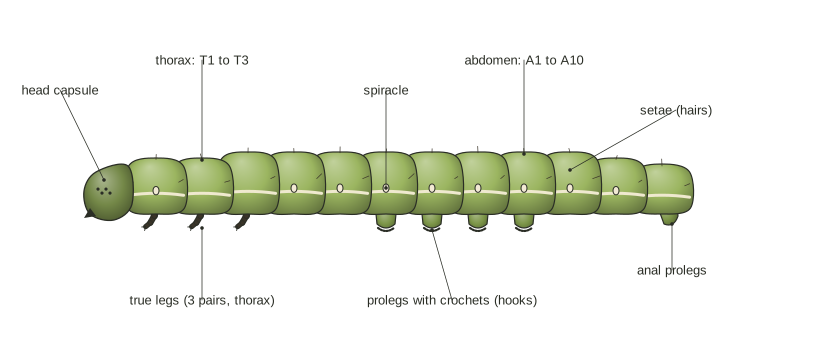
Identify a caterpillar by its prolegs, hairs or spines, color pattern, host plant, size and season. Includes stinging species and sawfly look-alikes.
Commonly confused insects
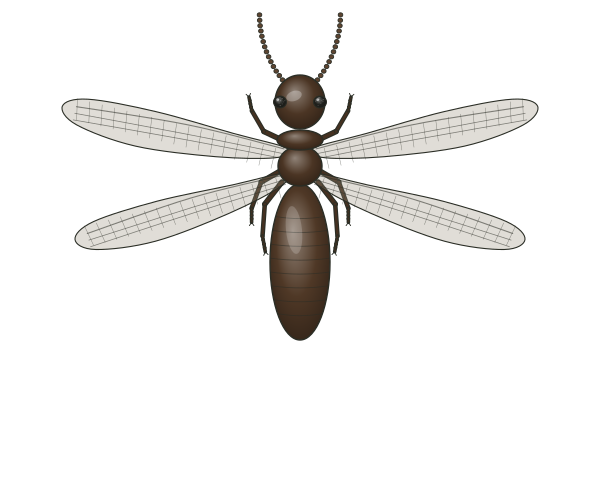
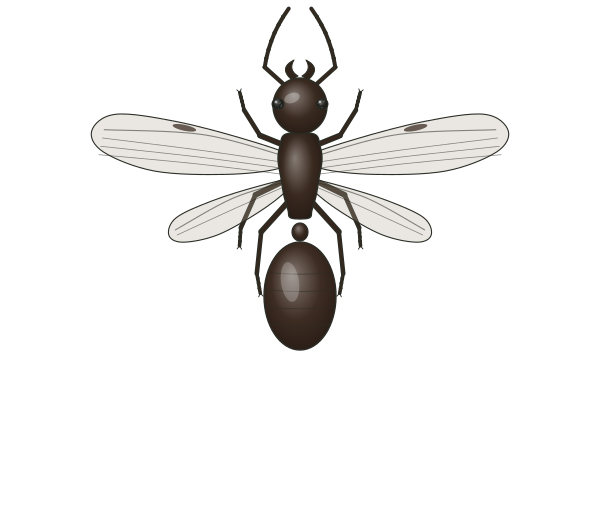
Termite swarmer or winged ant?
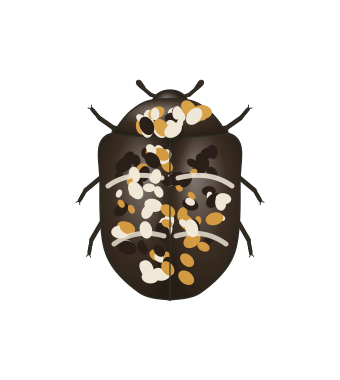
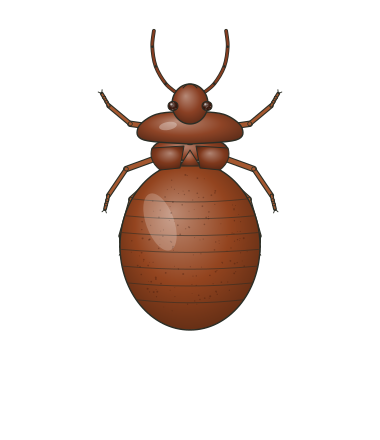
Carpet beetle or bed bug?
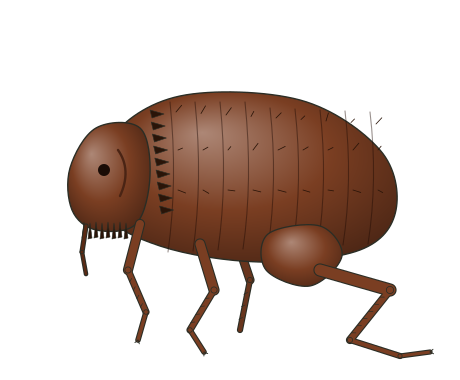
Cat flea or bed bug?
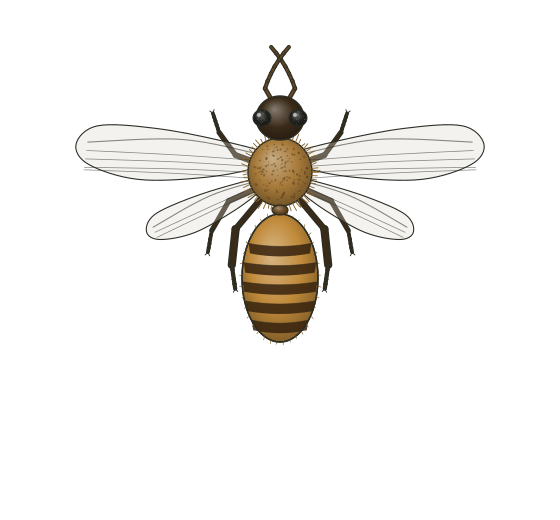
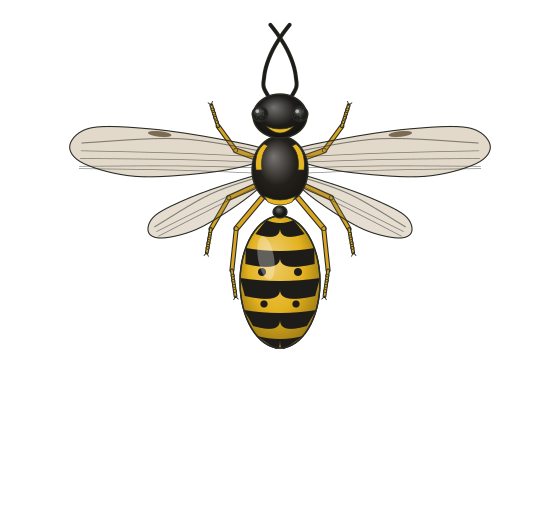
Honey bee or yellowjacket?
Getting a good identification
Most wrong identifications come from guessing at size and skipping the location. A few habits make any guide, including this one, far more reliable.
- Measure it. Lay the insect next to a ruler or a coin. A US penny is 19 mm across; a grain of rice is about 6 mm long.
- Photograph the top and the side. Antennae, the waist, wing length and leg shape separate many look-alikes, and a phone held a few inches away usually captures them.
- Note where and when. The room, the time of year, and whether you found one or many narrow the list more than color does.
- Keep a specimen. Clear tape, a sealed plastic bag or a small jar with rubbing alcohol preserves an insect for a closer look. County extension offices identify insects for residents, often at little or no cost.
- Look for evidence, not just insects. Droppings, shed skins, egg cases, frass, holes and webbing often point to the culprit before you see a live one.
The finder covers the insects most often found in and around houses. It does not cover every insect. For broader groups, start with the orders of insects and external anatomy.
Insects in the finder
| Insect | Size | Usually found | Look for |
|---|---|---|---|
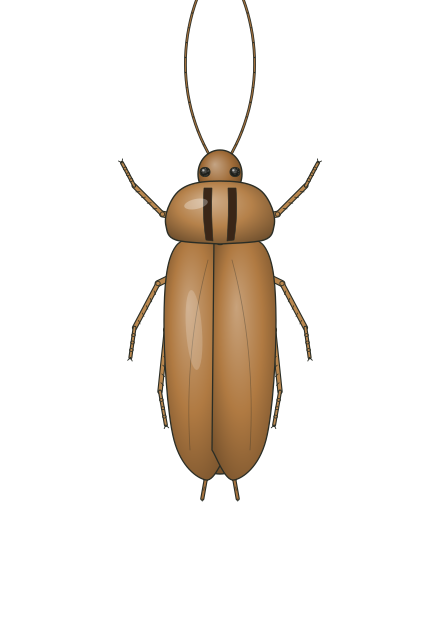
| German cockroach | 10 to 25 mm | kitchen, bathroom, pantry or food | Light brown with two dark stripes behind the head. Breeds indoors. |
| American cockroach | over 25 mm | basement, bathroom, kitchen, outdoors | Large and reddish brown with a pale band around the shield behind the head. |
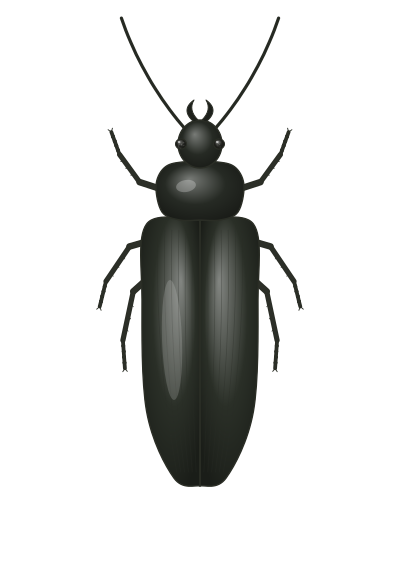
| Oriental cockroach | 10 to 25 mm, over 25 mm | basement, bathroom, outdoors | Shiny, very dark roach of cool damp places. Often called a water bug. |
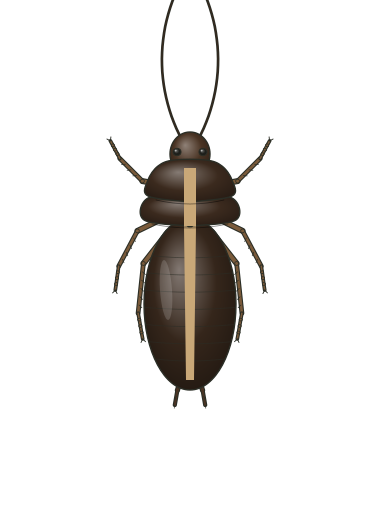
| Cockroach nymph | 2 to 5 mm, 5 to 10 mm | kitchen, bathroom, pantry or food | Wingless young roaches. Several sizes together point to an infestation. |
| Termite workers | 2 to 5 mm | in or near wood, basement, outdoors | Pale, soft, eyeless. Found inside wood or mud tubes, rarely in the open. |
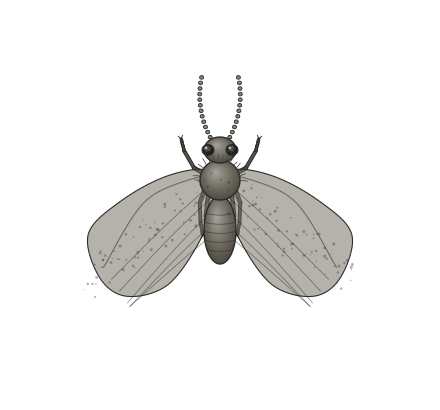
| Termite swarmers | 5 to 10 mm | windows, basement, bed or bedroom, kitchen, in or near wood, outdoors | Straight antennae, thick waist, four equal wings that drop off. Often near windows in spring. |
| House ants | under 2 mm, 2 to 5 mm, 5 to 10 mm | kitchen, bathroom, pantry or food, outdoors | Elbowed antennae and a pinched waist. Trails lead back to the colony. |
| Carpenter ants | 5 to 10 mm, 10 to 25 mm | in or near wood, kitchen, outdoors, attic | Large ants that hollow out damp wood and leave coarse sawdust. |
| Winged ants | 5 to 10 mm, 10 to 25 mm | windows, kitchen, outdoors, basement | Elbowed antennae, pinched waist, front wings longer than hind wings. |
| Bed bugs | under 2 mm, 2 to 5 mm, 5 to 10 mm | bed or bedroom | Flat, oval, wingless. Hide in mattress seams and bed frames; bite at night. |
| Fleas | under 2 mm, 2 to 5 mm | on pets or pet bedding, bed or bedroom, outdoors | Tiny, flattened side to side, and jumps well. Bites often land on ankles. |
| Carpet beetle adults | under 2 mm, 2 to 5 mm | windows, bed or bedroom, clothes, rugs, closets, attic | Tiny rounded beetles, mottled or solid black, often at sunny windows in spring. |
| Carpet beetle larvae | 2 to 5 mm, 5 to 10 mm | clothes, rugs, closets, bed or bedroom, pantry or food, basement | Bristly, banded, carrot-shaped larvae. Shed skins are a common find. |
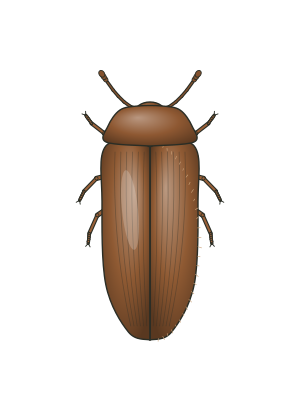
| Drugstore and cigarette beetles | under 2 mm, 2 to 5 mm | pantry or food, kitchen, windows | Small, rounded, reddish brown. Infest spices, flour, dry pet food. |
| Sawtoothed grain beetle | 2 to 5 mm | pantry or food, kitchen | Very slim and flat with saw-like teeth on each side of the thorax. |
| Flour beetles | 2 to 5 mm | pantry or food, kitchen | Reddish brown, slender beetles in flour and mixes. |
| Rice and granary weevils | 2 to 5 mm | pantry or food, kitchen | Small beetles with a long snout. Larvae develop inside whole grains. |
| Spider beetles | under 2 mm, 2 to 5 mm | pantry or food, kitchen, basement | Round, long-legged beetles that look a bit like tiny spiders. |
| Indian meal moth | 5 to 10 mm, 10 to 25 mm | pantry or food, kitchen | Small moth with two-tone wings: pale near the body, coppery at the tips. |
| Pantry moth larvae | 5 to 10 mm, 10 to 25 mm | pantry or food, kitchen | Pale caterpillars with webbing in food; they wander to ceilings to pupate. |
| Powderpost beetles | 2 to 5 mm, 5 to 10 mm | in or near wood, basement, attic | Rarely seen. Pinholes and fine powder in wood are the usual clue. |
| Silverfish and firebrats | 10 to 25 mm | bathroom, basement, kitchen, attic | Carrot-shaped, scaly, three tail filaments, quick wriggling run. |
| House fly | 5 to 10 mm | kitchen, outdoors, windows | Gray fly with four dark stripes on the thorax. |
| Cluster flies | 5 to 10 mm | windows, attic, bed or bedroom | Sluggish flies at sunny windows in fall and late winter. |
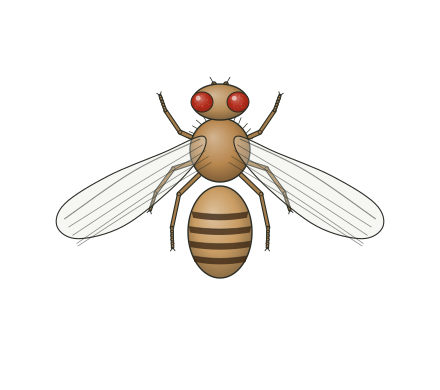
| Fruit flies | under 2 mm, 2 to 5 mm | kitchen, pantry or food | Tiny tan flies, usually with red eyes, around ripe fruit and drains. |
| Drain flies | under 2 mm, 2 to 5 mm | bathroom, kitchen, basement | Fuzzy, moth-like flies resting on walls near drains. |
| Fungus gnats | under 2 mm, 2 to 5 mm | on plants, kitchen, bed or bedroom | Delicate black gnats around overwatered houseplants. |
| Phorid flies | under 2 mm, 2 to 5 mm | kitchen, bathroom, basement | Humpbacked small flies that run rather than fly away. Point to decaying organic matter. |
| Mosquitoes | 2 to 5 mm, 5 to 10 mm | outdoors, bed or bedroom, basement | Slender with long legs and a piercing beak. Females bite. |
| Yellowjackets and hornets | 10 to 25 mm | outdoors, attic, kitchen | Smooth, yellow and black, narrow waist. Defend nests aggressively. |
| Paper wasps | 10 to 25 mm, over 25 mm | outdoors, attic, windows | Long-legged wasps with open, umbrella-shaped nests under eaves. |
| Honey bees | 10 to 25 mm | outdoors, on plants | Fuzzy, golden brown. Gentle away from the hive; important pollinators. |
| Brown marmorated stink bug | 10 to 25 mm | windows, attic, bed or bedroom, on plants, outdoors | Shield-shaped bug that gathers indoors in fall. Smells when crushed. |
| Multicolored Asian lady beetle | 5 to 10 mm | windows, attic, on plants, outdoors | Dome-shaped, orange to red, variable spots. Gathers indoors in fall and can pinch. |
| Ground beetles | 5 to 10 mm, 10 to 25 mm | basement, outdoors, kitchen | Shiny dark beetles that wander in from outdoors and do not breed inside. |
| Aphids | under 2 mm, 2 to 5 mm | on plants, outdoors | Soft, pear-shaped sap feeders in clusters on new growth. |
| Springtails | under 2 mm | bathroom, basement, on plants, kitchen | Minute six-legged jumpers in damp spots. Harmless but signal moisture. |
| Booklice | under 2 mm | pantry or food, kitchen, basement, bathroom | Pale, soft, barely visible insects that feed on mold in humid places. |
| Caterpillars | 10 to 25 mm, over 25 mm | on plants, outdoors | Soft larvae with three pairs of true legs and fleshy prolegs. Some sting. |