Flea vs Bed Bug: Differences in Looks, Bites and Behavior
Both are small, reddish-brown and wingless, and both feed on blood. Their body shape and the way they move tell them apart almost at once.
Quick answer
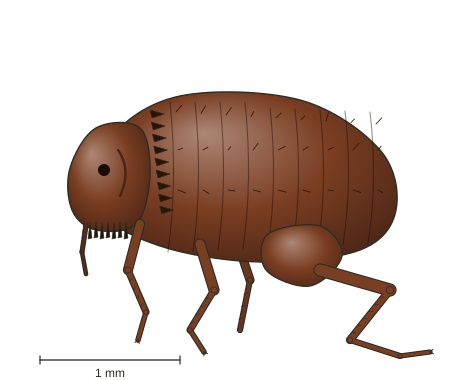
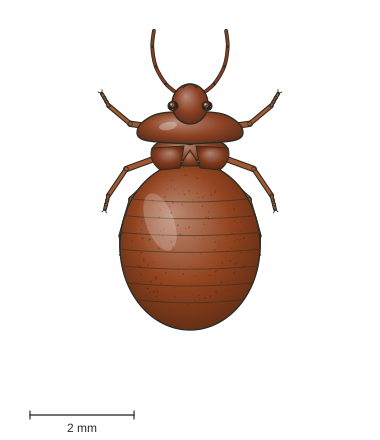
A flea is narrow and flattened side to side, so it looks thin from above, and it jumps. A bed bug is broad and flattened top to bottom, shaped like an apple seed, and it crawls but cannot jump or fly. Fleas usually point to pets or wildlife; bed bugs cluster where people sleep or sit.
| Feature | Cat flea | Bed bug |
|---|---|---|
| Size | About 1.5 to 3 mm | About 5 to 7 mm |
| Body shape | Narrow, flattened side to side | Broad oval, flattened top to bottom |
| Color | Reddish-brown to dark brown | Reddish-brown; redder after feeding |
| Antennae | Short, tucked into grooves | Thin, four segments, easy to see |
| Wings | None | None; tiny wing pads only |
| Legs and movement | Long hind legs; jumps | Crawls; cannot jump or fly |
| Main hosts | Cats, dogs, wildlife; bites people | People |
| Where found | Pet beds, carpets, on pets | Mattress seams, bed frames, couches |
| Signs left behind | Peppery flea dirt in pet fur | Dark spots, pale skins, eggs |
| Bites tend to appear | Often ankles and lower legs | Often skin exposed during sleep |
| Health concern | Itchy bites; can carry disease, tapeworm | Itchy bites; not known to spread disease |
Bottom line: Watch how it moves. If it springs out of sight, it is very likely a flea; if it crawls toward a seam or crack, think bed bug.
Fleas and bed bugs are both small, wingless, reddish-brown blood feeders, and both can leave itchy marks on people. The fastest way to separate them is to watch one move, then look at its outline. A flea is built to slip through fur and leap onto a passing animal. A bed bug is built to wedge into a seam and wait for someone to lie down.
Body shape: the clue that works on any specimen
A flea is flattened from side to side. Seen from above it looks like a thin sliver, and it seems to stand on its edge. Seen from the side it is tall and oval, with a small head and a hunched back. Adult cat fleas are about 1.5 to 3 mm (1/16 to 1/8 inch) long.
A bed bug is flattened from top to bottom. From above it is a broad oval, about 5 to 7 mm (3/16 to 1/4 inch) long, close to the size and shape of an apple seed. From the side an unfed bed bug is nearly flat. After a blood meal it swells, lengthens and turns redder.
So the same view gives opposite results. If the insect looks wide from above, it is not a flea.
Phone tip: put the insect in a clear zip bag or under clear tape so it cannot escape, then photograph it from above and from the side. Use the zoom and tap to focus. A 10x hand lens held to the phone lens helps a lot with fleas, which are small.
Legs, antennae and movement
Fleas have long, strong hind legs and are famous jumpers. A cat flea can leap several inches up and more than a foot sideways. If the insect vanishes when you reach for it, that is a strong flea clue. Their antennae are short and sit in grooves on the head, so you rarely see them.
Bed bugs cannot jump or fly. They crawl, and fairly quickly, over floors, walls and furniture, heading for cracks and seams when disturbed. Their thin, four-segmented antennae point forward and are easy to see under magnification.
A misleading clue: both are reddish-brown, and both can look almost black when engorged or photographed in poor light. Color will not separate them.
Hosts and where each one lives
Fleas follow animals
The cat flea is the common flea on both cats and dogs, and it also infests wildlife such as raccoons and opossums. Fleas bite people, especially when numbers are high, but they do not live and breed on humans. The larvae are tiny, pale and wormlike. They develop in carpets, along baseboards, in furniture and wherever a pet rests, feeding on the dried blood that adult fleas pass.
Flea pupae can sit dormant in cocoons and then emerge all at once when they sense vibration or warmth from a host. This is why people sometimes walk into a home that has been empty for a while and get bitten right away.
Bed bugs follow people
Bed bugs feed mainly on people and hide close to where people sleep or rest: mattress seams, box springs, bed frames, headboards, upholstered chairs and couches. As numbers grow they spread to nightstands, baseboards and carpet edges. They arrive on luggage, clothing and secondhand furniture, and a clean home is no protection.
Bites: use with care
Bite marks can hint at the culprit, but they cannot confirm it. Bite reactions vary from person to person, and some people do not react at all.
- Flea bites are often on the ankles and lower legs. They usually show as a small red spot with a red halo and little swelling, and they can itch intensely.
- Bed bug bites often show up on skin exposed while sleeping, such as the face, neck, arms and hands. They can appear in a line or scattered, and may not show up for a day or more.
Bed bug bites, flea bites and mosquito bites can look the same, and other skin conditions can mimic all three. Only finding the insects or their signs confirms what you have. If bites are severe, become infected or come with fever, see a doctor.
What each means if found indoors
Fleas almost always trace back to an animal: your pet, a recent stray, or wildlife or rodents living in a crawlspace, attic or under a porch. Check pets with a fine flea comb. Dark, pepper-like specks in the fur are flea droppings, made of digested blood. Fleas matter beyond itching: cat fleas can transmit tapeworm to pets and children who swallow an infected flea, and fleas are linked to diseases such as murine typhus.
Bed bugs mean someone carried them in. They are not known to spread disease, but bites, lost sleep and stress are real costs, and populations keep growing until treated. One live bed bug is reason to inspect closely. Our guide to signs of bed bugs shows what droppings, skins and eggs look like.
What to do next
If it is a flea: treat every pet with a product recommended by your veterinarian, and never use pet products on carpets. Vacuum often, especially where pets rest, and wash pet bedding in hot, soapy water. Expect new fleas to keep emerging for a couple of weeks as cocoons hatch. If you have no pets, look for wildlife or rodents nesting in or under the house. See our fleas hub for the full plan.
If it is a bed bug: inspect the mattress, box spring, bed frame and nearby furniture with a flashlight. Wash and dry bedding and clothing on high heat. Skip foggers, which do not work against bed bugs. Most infestations need a licensed professional, and renters should notify the landlord.
Found something else on the sheets? Our bugs in bed guide covers the other usual suspects.
References
- Pest Notes: Fleas. University of California IPM.
- Cat Flea (IG087). University of Florida IFAS.
- Cat Flea and Human Flea. Oklahoma State University Extension.
- Fleas (ENTFACT-602). University of Kentucky Entomology.
- Frequent Fleas. University of Maine Cooperative Extension.
- About Fleas. CDC.
- Bed Bugs (ENTFACT-636). University of Kentucky Entomology.
- About Bed Bugs. CDC.
See also
This page was last updated on October 7, 2026. We research our guides from university extension services, government agencies, museums and peer-reviewed literature. Read the editorial policy or report an error.