Insect Biology
The biology behind identification: how an insect’s body is built, how it grows from egg to adult, and how scientists group the roughly one million insect species described so far.
Knowing a little insect biology makes identification faster and pest problems easier to understand. A cockroach infestation includes every age at once because cockroaches have simple metamorphosis. Carpet beetle damage comes from larvae, not the adults at the window, because beetles have complete metamorphosis. A beetle's hardened wing covers, a true bug's beak and a fly's single pair of wings each place an insect in its order at a glance.
Anatomy
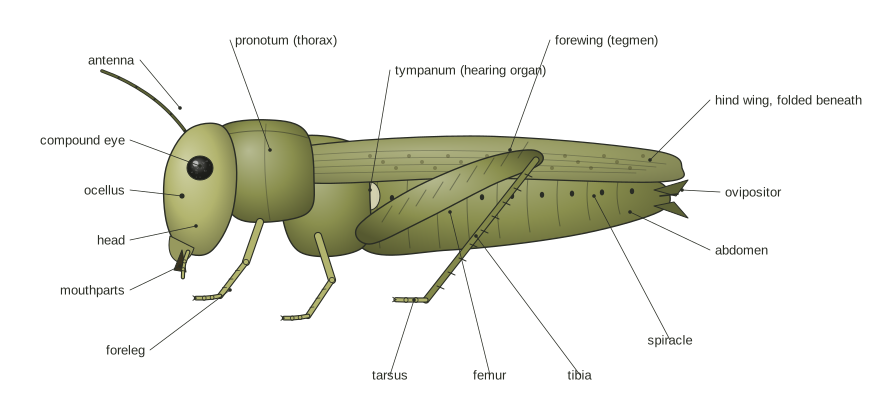
Every insect shares the same plan: three body regions, six legs on the thorax, and a head carrying antennae, eyes and mouthparts. The variations on that plan are what field guides use to tell insects apart.
-
External anatomy of insects
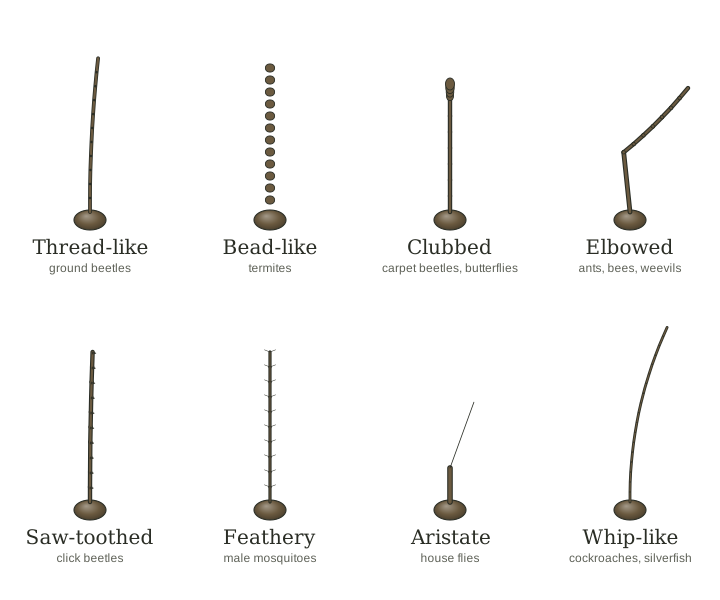
A labeled guide to insect body parts: exoskeleton, head, antennae, eyes, mouthparts, thorax, legs, wings and abdomen, and how to use them to identify insects.
-
Insect mouthparts
How insect mouthparts work: the chewing plan and its parts, piercing-sucking, siphoning, sponging and other types, and how to read the damage each leaves.

Life cycles
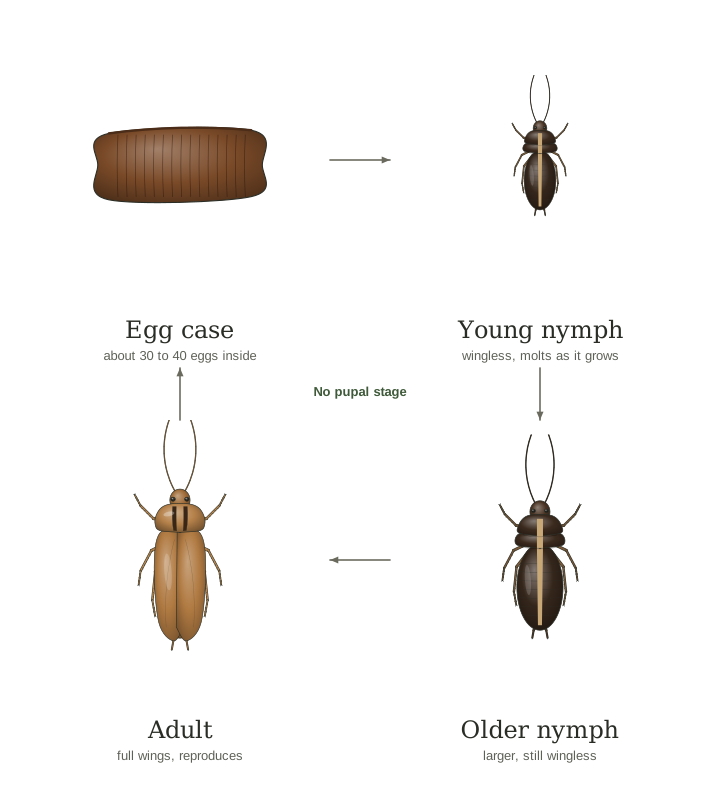
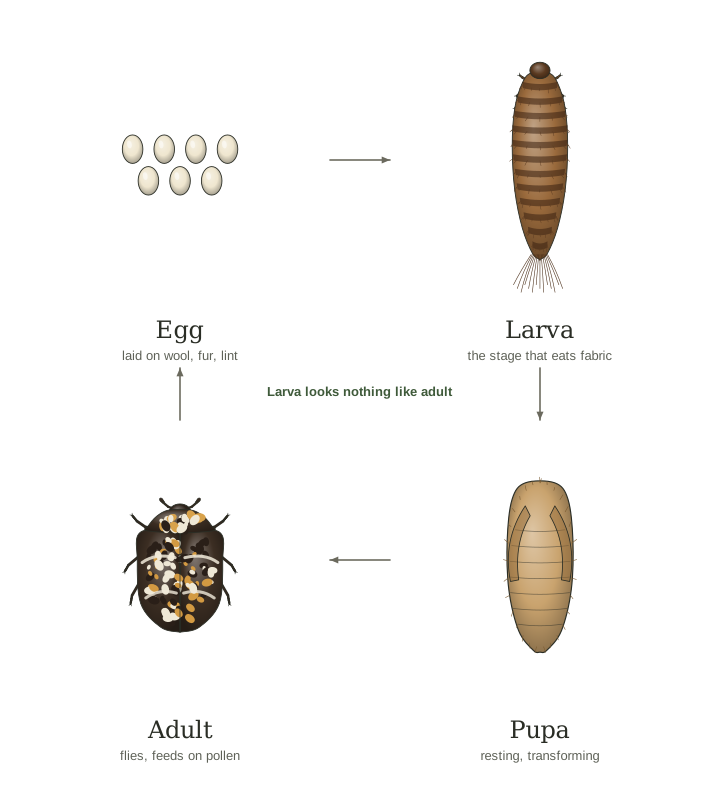
Insects grow by molting, and they reach adulthood in one of two main ways. Young that resemble small adults point to simple metamorphosis; larvae that look nothing like the adult point to complete metamorphosis. The difference shapes how infestations behave.
-
Simple metamorphosis
How insects with simple metamorphosis grow from egg to nymph to adult, what the terms mean, and how cockroach, termite and bed bug life cycles work.
-
Complete metamorphosis
How complete metamorphosis works: the four stages, larval and pupal types, which orders have it, and why larvae do most household pest damage.
Classification
Insects form the class Insecta, divided into roughly thirty orders. The order is often the most useful level for identification, because members share wing type, mouthparts and life cycle.
-
The orders of insects
What an insect order is, how many there are, and how to tell beetles, bugs, flies, wasps, moths, cockroaches and other orders apart by wings and mouthparts.
-
Coleoptera (beetles)
How to identify beetles (order Coleoptera): wing covers, anatomy, life cycle, larval forms, major families, and the beetles found in homes and pantries.
-
Hemiptera (true bugs)
What makes an insect a true bug: the piercing-sucking beak, wing types, suborders, the old order Homoptera, and the main families from bed bugs to aphids.
-
Hymenoptera
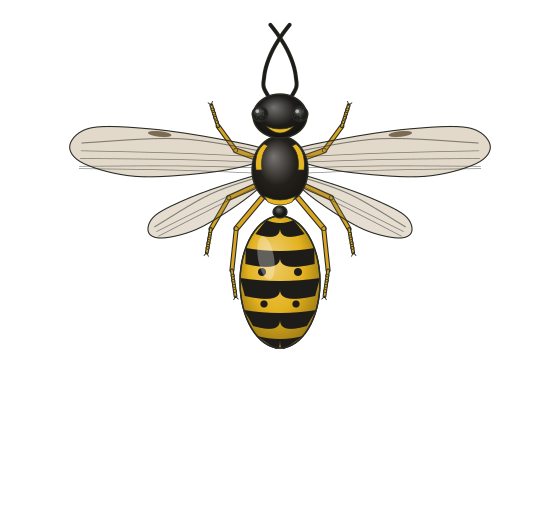
How to tell Hymenoptera from other insects: hooked wings, the narrow waist, stingers, social castes, and the order's major groups and household pests.
-
Diptera
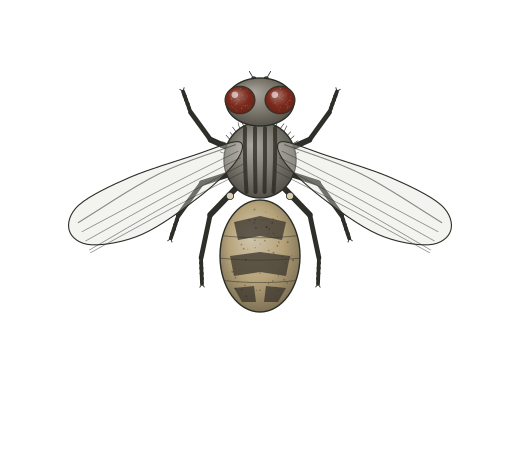
What makes a true fly: one pair of wings, halteres, sucking or piercing mouthparts and maggot larvae, plus the fly families that matter in homes.
-
Blattodea
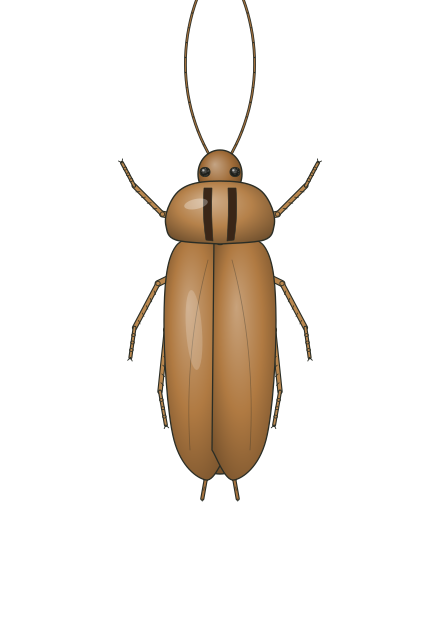
Why termites are now classified with cockroaches in the order Blattodea, how to tell each group apart, termite castes, and the few species that are pests.