Guides and Downloads
Long-form references and printable material for students, teachers, naturalists and anyone who wants to look closer.
Printable guides
Caterpillar Identification Guide (PDF)
Caterpillar anatomy, counting prolegs, hairs and spines, color patterns, host plants, defenses, moth versus butterfly larvae, caterpillars versus sawfly larvae, major families, common North American species, stinging caterpillars, an identification checklist, a glossary and references.
Download the PDFThe printable guide pairs with a shorter web article, How to identify common caterpillars, which works better on a phone in the garden.
Teachers are welcome to print the guide for classroom use. Please link to this page rather than rehosting the file, so readers always get the current edition.
In-depth references
-
The orders of insects
What an insect order is, how many there are, and how to tell beetles, bugs, flies, wasps, moths, cockroaches and other orders apart by wings and mouthparts.
-
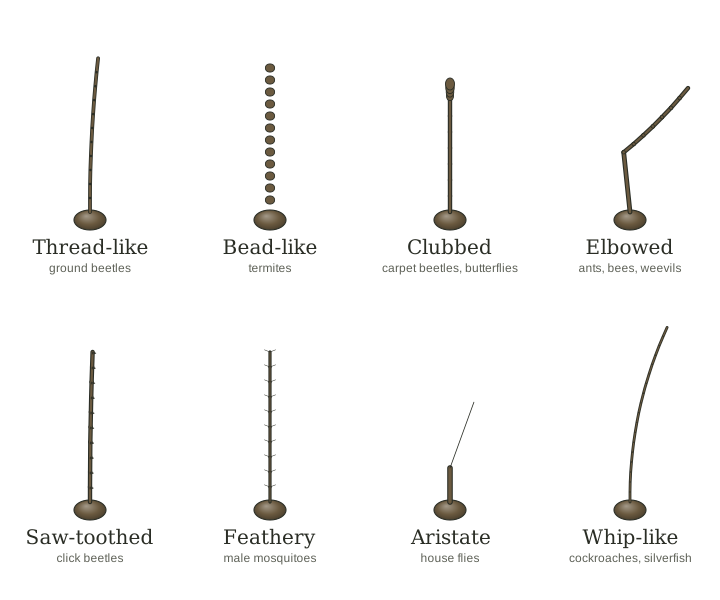
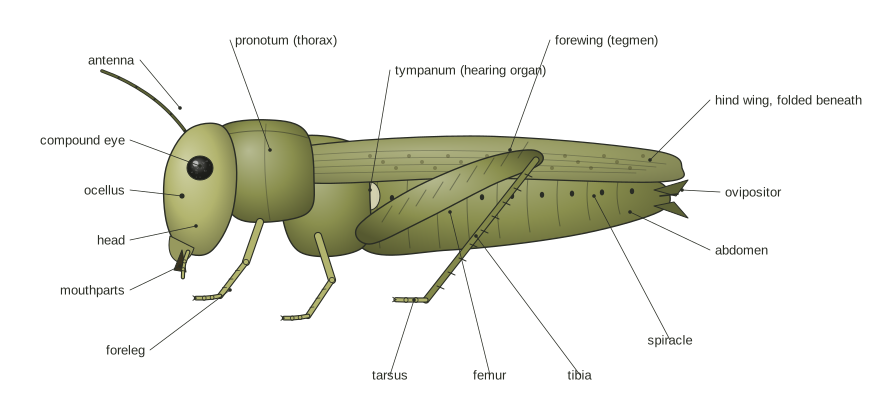
External anatomy of insects
A labeled guide to insect body parts: exoskeleton, head, antennae, eyes, mouthparts, thorax, legs, wings and abdomen, and how to use them to identify insects.
-
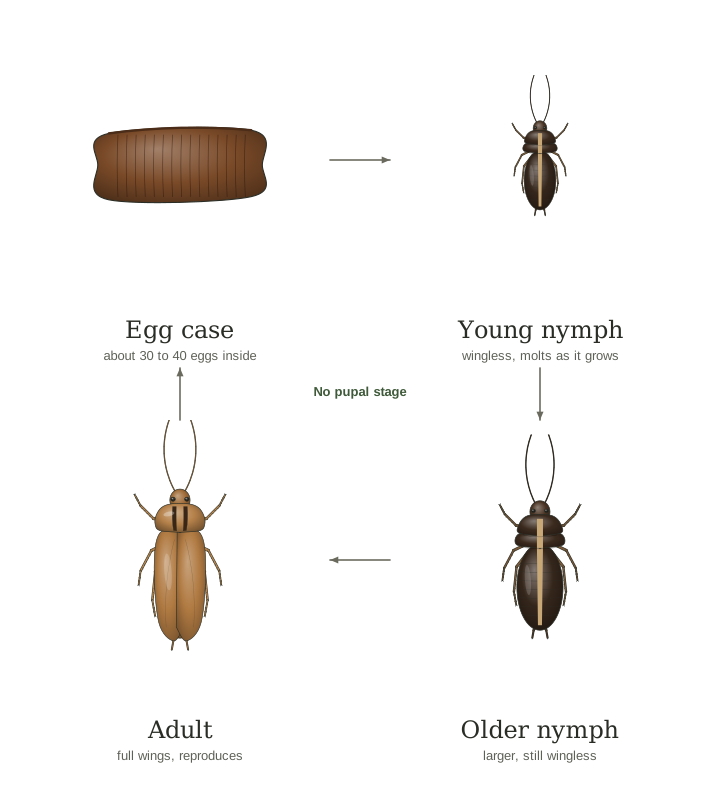
Simple metamorphosis
How insects with simple metamorphosis grow from egg to nymph to adult, what the terms mean, and how cockroach, termite and bed bug life cycles work.
-
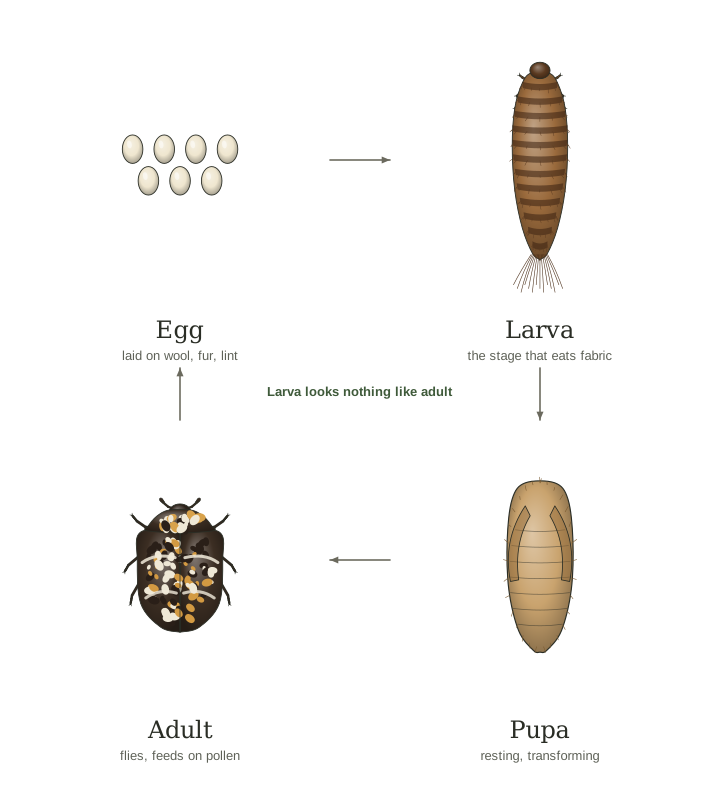
Complete metamorphosis
How complete metamorphosis works: the four stages, larval and pupal types, which orders have it, and why larvae do most household pest damage.
-
Coleoptera (beetles)
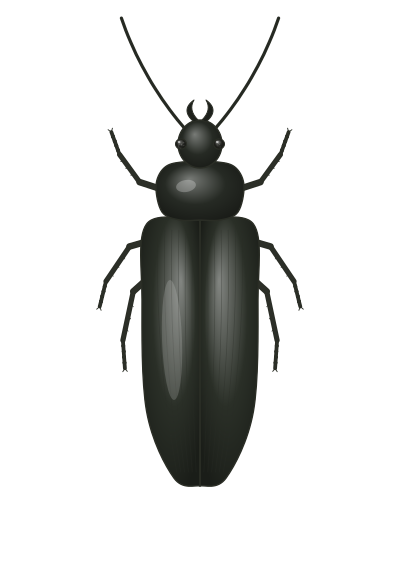
How to identify beetles (order Coleoptera): wing covers, anatomy, life cycle, larval forms, major families, and the beetles found in homes and pantries.
-
Hemiptera (true bugs)
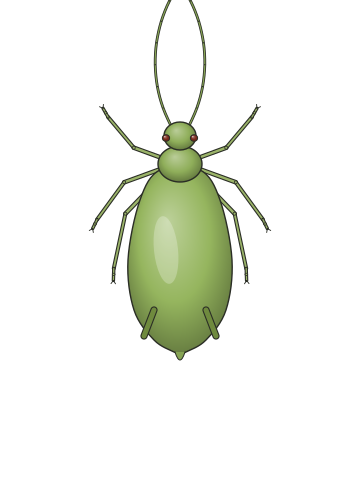
What makes an insect a true bug: the piercing-sucking beak, wing types, suborders, the old order Homoptera, and the main families from bed bugs to aphids.
-
Garden pests
Identify common US garden pests by where damage shows up: vegetables, lawns, trees and shrubs, flowers and houseplants. Includes IPM steps.
-
Pest control basics
How integrated pest management works at home: identify the pest, prevent it, monitor it, choose the lowest-risk treatment and use pesticides safely.