Household Pests
The dozen or so insect groups behind most pest problems in US homes, what each looks like, how much harm it can do, and what to read next.
Most insects that wander indoors are harmless and leave on their own. A short list of groups breed inside, damage the structure or belongings, or bite. Those are the ones covered here, sorted by the kind of trouble they cause. Each guide covers identification first, because the right response depends on the exact insect: a German cockroach and a wood cockroach call for very different steps, and so do pharaoh ants and carpenter ants.
Not sure what you found? Start with the identification finder, or browse by kitchen, bathroom and bedroom.
Damage wood
Insects that eat or tunnel through structural wood, furniture and flooring. Damage builds slowly and out of sight, so evidence matters more than sightings.
-
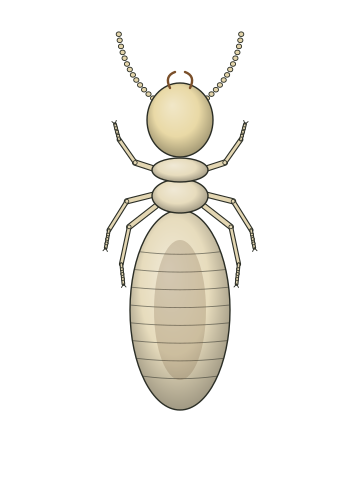
Termites Blattodea, several families
Pale, soft-bodied wood eaters that live in hidden colonies. Swarmers, mud tubes and droppings are what most people find first.
-
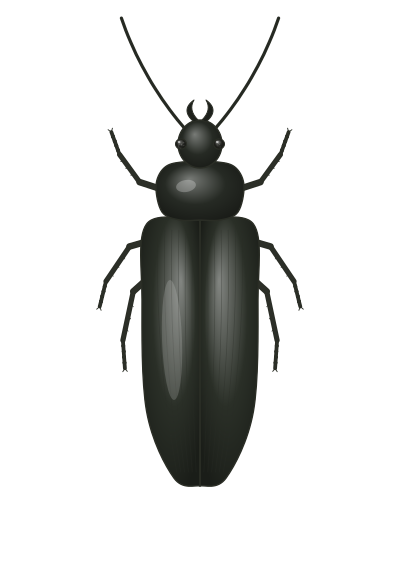
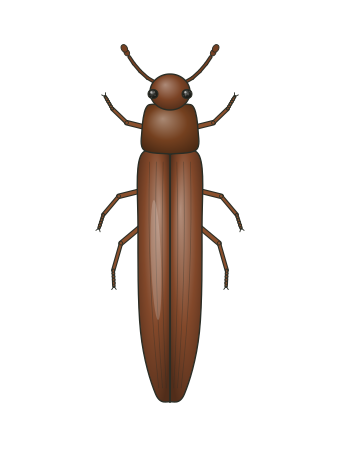
Powderpost beetles Bostrichidae and Ptinidae
Small wood borers. Pinhole exits with fine, flour-like powder below them mean active larvae inside.
-
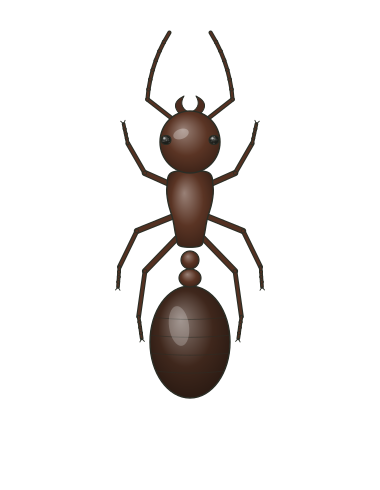
Carpenter ants Camponotus
Large ants that hollow out damp or decayed wood to nest. They do not eat wood, and their galleries are clean, with coarse sawdust pushed outside.
Feed on food and kitchen scraps
Insects that breed in kitchens, pantries and drains. Sanitation and finding the source solve more of these problems than sprays do.
-
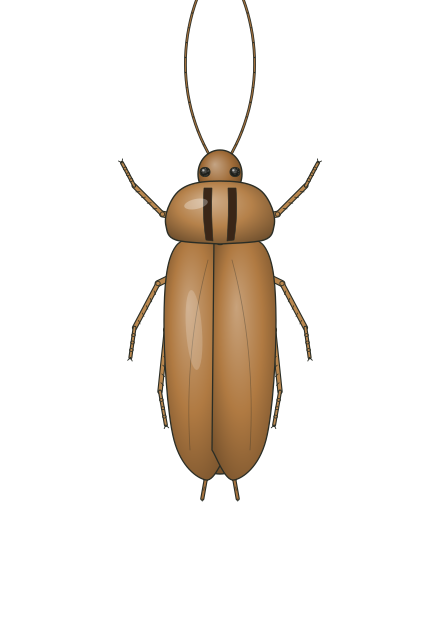
Cockroaches Blattodea
Flat, fast and long-antennaed. German roaches breed indoors; the big roaches usually wander in from drains and yards.
-
Ants Formicidae
Pinched waist, elbowed antennae. The species decides the approach, because sprays scatter some colonies.
-
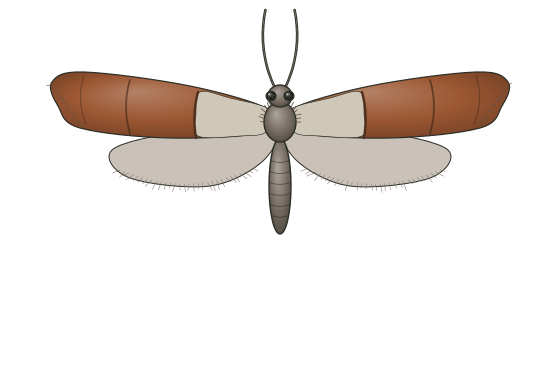
Pantry pests Beetles, weevils and moths
Insects that breed in flour, grains, cereal, spices, dried fruit and pet food. Finding the infested package solves most cases.
-
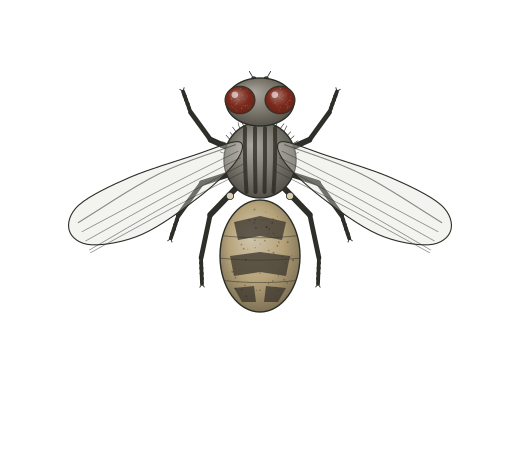
Indoor flies Diptera
House flies, fruit flies, drain flies and gnats. Each kind points to a different breeding source.
Bite or sting
Insects that feed on blood or defend nests with a sting. Some carry health concerns; all are worth identifying correctly before treating.
-
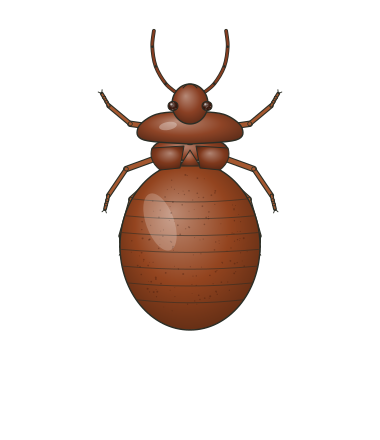
Bed bugs Cimex lectularius
Flat, apple-seed-sized blood feeders that hide in mattress seams, bed frames and furniture near where people sleep.
-
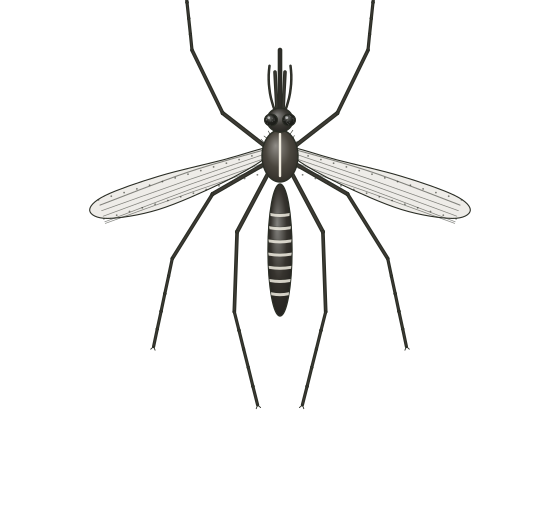
Mosquitoes Culicidae
Larvae grow in standing water around the yard. A few US species can spread viruses such as West Nile.
-
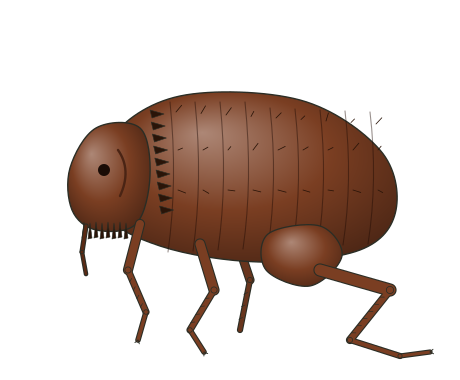
Fleas Ctenocephalides felis
Wingless jumpers. Most household fleas are cat fleas, on dogs as well as cats, with eggs and larvae in carpet and bedding.
-
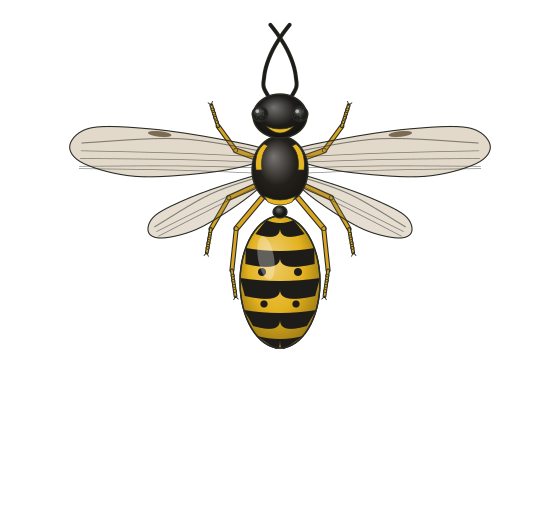
Wasps and hornets Vespidae and relatives
Yellowjackets, hornets, paper wasps and mud daubers. Nests near doors or inside walls need care.
Damage fabrics, paper and belongings
Insects that eat wool, fur, feathers, silk, paper, book bindings and the lint that collects in closets. Silverfish also point to high humidity.
-
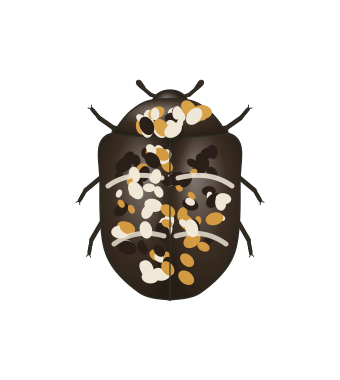
Carpet beetles Dermestidae
Tiny mottled beetles at windows; their bristly larvae eat wool, fur, feathers, silk and lint.
-
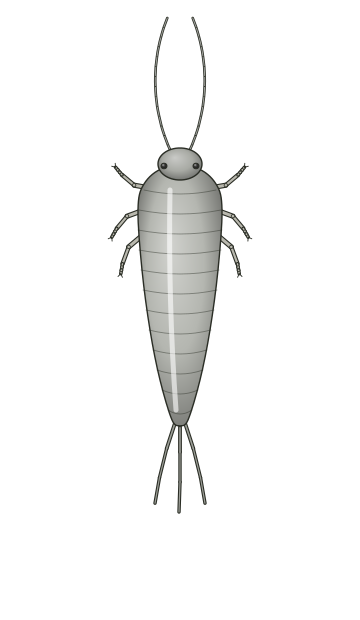
Silverfish Zygentoma
Wingless, scaly and carrot-shaped. They feed on starches, paper and glue in humid rooms.
Next steps
Once you know what you are dealing with, the pest control basics guide explains prevention, inspection and how each treatment method works. For termites, bed bugs and stinging insects nesting in walls, read when to call a professional before you start.